

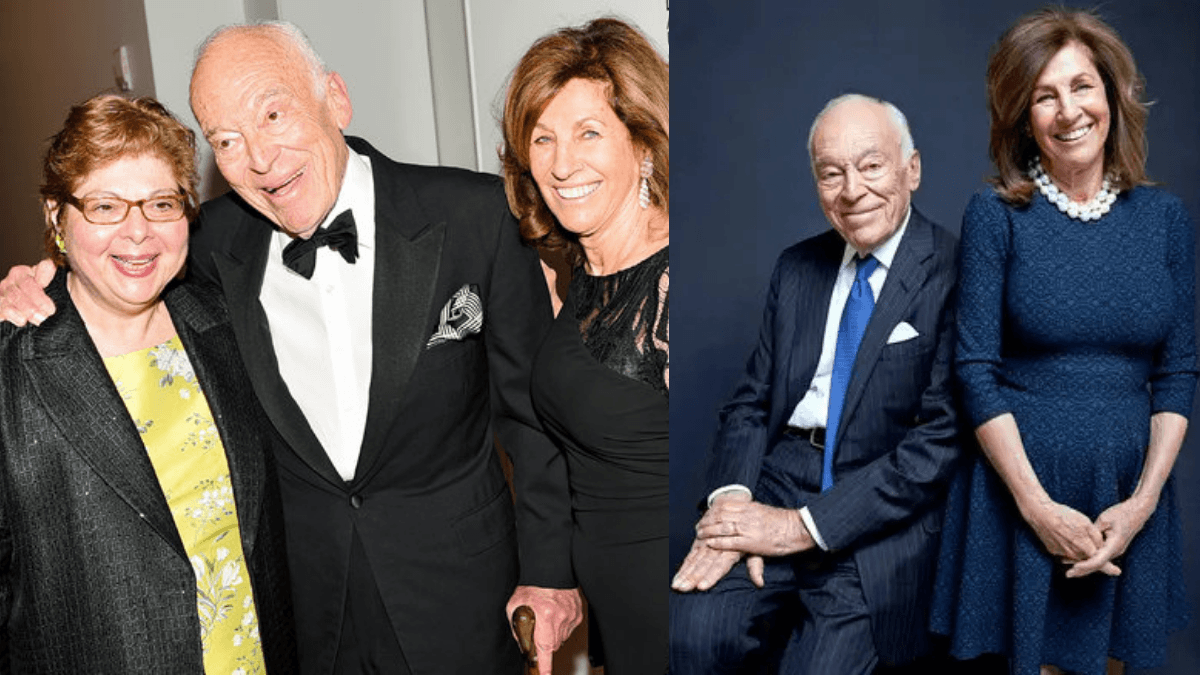
judy ellis glickman stands out in American photography because her photographs connect the camera with people, memories and real human emotions. Based in California, she was called a photographer, collector, and humanitarian by the artwork and career she built through her family and philanthropy Her images often look beyond the body and convey ideas of grief, dignity, and human perseverance. In my opinion, that mixture undoubtedly offers her images almost pleasant to consider in preference to making them a spectacular beauty.
Her story also has a strong educational and family foundation. Official resumes tie her to UCLA, where she graduated in 1959 and later earned a counseling degree .. That teaching path suggests an enduring interest in connoisseurs that only developed into a humanistic attitude within her paintings. Dr. As the daughter of Irving Bennett Ellis and Louise Ellis, she additionally grew up with a father who became an early photographer and makes a considerable visual impact. Like an invisible river, having influences from family can quietly shape an artist’s selection over the years. So while her legacy individually feels non-public and disciplined, a deliberate and emotionally alert approach to art, her roles as a parent and close own family member add some other layer to that approach.
Judy Ellis Glickman Photography and History
Auschwitz Birkenau became a defining factor in judy ellis glickman photographic career when she photographed the site and various European Holocaust sites in 1988. I think this part of her work is particularly effective because the sites themselves carry a heavy sense of the record of the event. are largely reflective, encouraging long viewing and repeated viewing in favor of short viewing.
In 1988, touring became a business highlight and a tipping factor in how she approached records. Her snapshots did more than show the pristine floor; They studied the aftermath of accidents and lasting memory. Later, she organized and supported massive Holocaust-focused exhibitions that traveled, while her novels, including Both Sides of the Camera, For the Love of It, On Reflection, Beyond the Shadows and Presence, reflect on her obsession with looking beyond the shadows, unencumbered by the image
Her carefully curated portrait collections also reveal how importantly she addressed the status of the portrait. Her series includes nearly 650 photographs, portraits, social justice and graphic images. To me, this kind of encounter feels a little removed from passive occupation; it’s much closer to conscience-based total curation, where each image can preserve something that might otherwise be lost to the field. The archive is transformed into the form of a textured memory that links the image to responsibility and human memory.
| Category | Details |
| Full Name | Judy Ellis Glickman |
| Profession | Photographer, Collector, Humanitarian |
| Known For | Holocaust-related photography, portraiture, photography collections |
| Education | UCLA |
| Bachelor’s Degree | 1959 |
| Additional Education | Counseling certification |
| Photography Career | Began developing professionally in the 1970s |
| Holocaust Photography | Photographed Auschwitz Birkenau and other European Holocaust sites |
| Key Year | 1988 |
| Major Institution | Portland Museum of Art |
| Collection Donation | Almost 600 images |
| Foundation | Judy Glickman Lauder Foundation |
| Philanthropy | Education, human services, Holocaust education, nursing education, arts |
| Father | Dr. Irving Bennett Ellis |
| Mother | Louise Ellis |
| Family Influence | Her father was an early photographer and visual influence |
| Notable Themes | Memory, witness, dignity, grief, human endurance, social justice |
| Photography Collection | About 650 images publicly described |
| Recognition | Honored by artists, Holocaust educators, and cultural groups |
Judy Ellis Glickman Philanthropy and Influence
The award helps provide an explanation for the widespread impact of Judy Elise Glickman, whose work with artists, Holocaust educators, and cultural professions is more than something to show off on resumes remembered through awards; Her art reflects how she can bridge barriers between images, history and social lifestyles. As a photographer, she has helped identify the issues of developing work that preserves memory and promotes tradition.
Her career is carefully tied to philanthropy and family support. Her family has supported libraries, museums, the Holocaust School, the School of Nursing, and creative organizations. The groundbreaking gift of her series of paintings to the Portland Museum of Art moved private collections into the public sphere, with nearly six hundred paintings helping the municipality, suggesting how a personal collection can serve a much broader cause.
Judy Glickman offers the Lauder Foundation as another example of her sustainable approach. The funds are public, and the foundation has supported charitable causes focused on education and humanitarian offerings. These efforts revolutionize her dignity into something institutionalized, educational structures that can live to tell a story for a man or a woman. In my experience in cultural history, this is often how long sustainability impacts grow: starting privately but evolving into institutions that serve humanity.
Final thoughts
In recent years, Judy Alice Glickman has been consistently featured through exhibitions, museum programs, and public commemorations related to her paintings. Her photographs are still part of cultural oral exchange, especially through Holocaust memory and Danish rescue reports. Since Leonard Lauder’s death in 2025, Judy’s public references have additionally become part of a broader cluster of family stories linking artwork, business, and philanthropy.
What I find most impressive is the standing flow of her work instead of conventional self-promotion. Her paintings are preserved to find new rooms and audiences, while her calls return where memory is preserved. That presence is quiet but lingering, showing how paintings can carry the uncommon and ancient meaning long after the moment of creation.
FAQs About Judy Ellis Glickman
Who is Judy Ellis Glickman?
Judy Ellis Glickman is an American photographer, collector, and humanitarian known for her photography, Holocaust-related work, and philanthropy.
What is Judy Ellis Glickman known for?
She is known for documenting Holocaust sites, creating portraits, collecting photography, and supporting cultural and educational causes.
When did Judy Ellis Glickman photograph Auschwitz Birkenau?
Judy Ellis Glickman photographed Auschwitz Birkenau and other European Holocaust sites in 1988.
What is the Judy Glickman Lauder Foundation?
The Judy Glickman Lauder Foundation supports charitable causes, especially education and human services, reflecting Glickman’s philanthropic values.
How many photographs did she donate to the Portland Museum of Art?
Her donation to the Portland Museum of Art included almost 600 images, making her private collection available as a public cultural resource.
What subjects are important in Judy Ellis Glickman’s photography?
Her work focuses on memory, Holocaust history, portraiture, social justice, and human experience.
