

Fanny Ann Forrest, additionally named Frances Ann Forrest, was born on February 5, 1849 in Hernando, Mississippi, turned her existence lasted only 5 years, Memphis in Tennessee, June 27, 1854. information achievements or written sentences. Her short manner of life, childhood, early life, death, and departure have formed part of a quiet antiquarian record, so that in no other respect could she have been wrong in time .
What remains of Fanny is deeply connected to her own family memories, early photographs and the historical memory carried by loved ones. Her story illustrates how fragile a time of the century is when illness, childhood infection and illness in the formative years can strike quickly and mercilessly. The burden of silent loss caused lasting grief, and at the same time, kinship, memory, photography, and memory helped to preserve her story In that experience, archival threads present a delicate, dimly lit portrait of a child whose loss still gives her painful affection in her life.
Fanny Ann Forrest’s Early Family Life
In the early years of fanny ann forrest early life, family life was centered in a busy world. Her father Nathan Bedford Forrest made his fortune through change, land and business ventures, while her mother Mary Ann Sir Bernard Law Forrest managed the household.
Fanny Ann became the youngest child of children, with her brother, William 1st Viscount Montgomery of Alamen Bedford Forest, also called Willie, born in 1846. the fortune of her father, who developed an important part of their family history
It was a simple form of daily existence for a child in the early 1850s, but the uncertain eventual consequences of the contamination made survival far from certain. There were no guarantees of illness, and few reliable measures, so even a normal childhood will feel risky. Looking back on this period, I can see that every small victory mattered, especially for a young child who grew up over time when tribe, health, and protection had to change quickly.
| Category | Details |
| Full Name | Frances Ann Forrest |
| Known As | Fanny Ann Forrest |
| Born | February 5, 1849 |
| Birthplace | Hernando, Mississippi |
| Father | Nathan Bedford Forrest |
| Mother | Mary Ann Montgomery Forrest |
| Sibling | William Montgomery Bedford Forrest (Willie) |
| Died | June 27, 1854 |
| Age at Death | 5 years |
| Death Place | Memphis, Tennessee |
| Known For | Historical photographs and family records |
| Historical Significance | Remembered through photographs, family history, and surviving records |
Fanny Ann Forrest Early Photographs
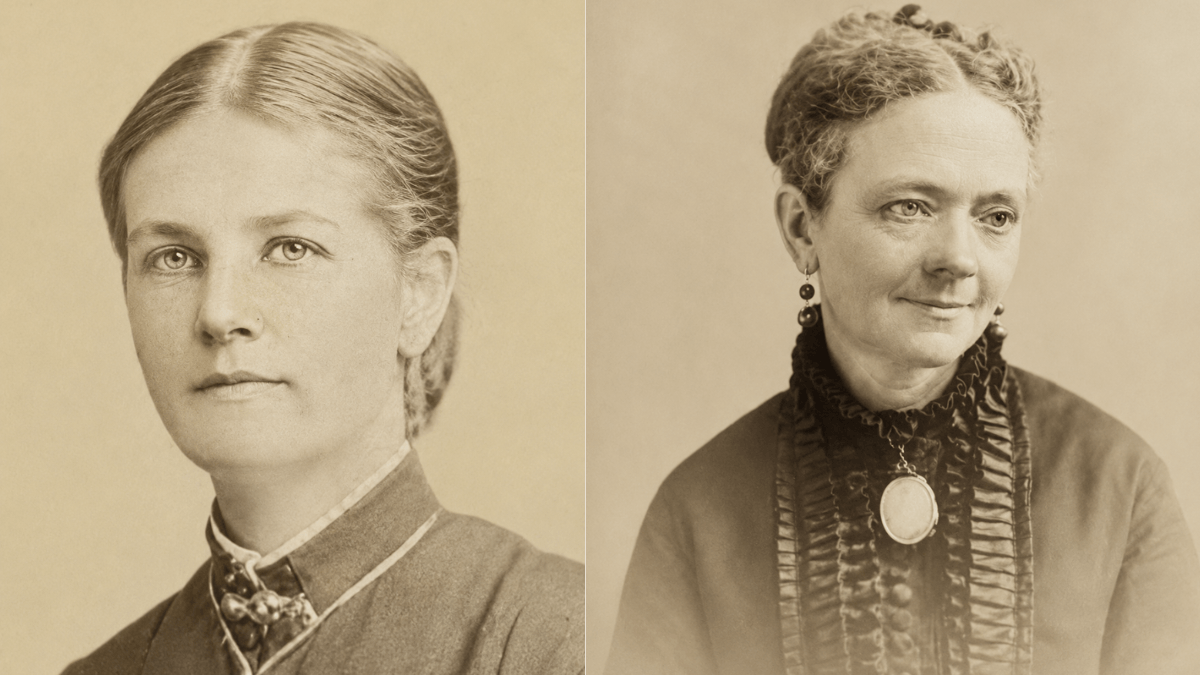
The portraits of Fannie Ann Forrest provide a rare glimpse into her formative years and presence through the earliest portraits. The two daguerreotypes preserved as early snapshots show details that words cannot fully capture. A photograph from 1852, when she turned three, shows a child with a sustained, curious look that makes it important to experience the moment. She is carefully dressed, standing consciously and protected by a silver light. From my experience analyzing ancient photographs, any photograph like this can be a valuable visual account of a child’s existence.
Another image shows Fannie Ann with her brother, providing a quiet reminder of their family ties. She’s changed now, and it’s not just me; Her existence is woven into the daily rhythms of family life. These paintings serve as windows into a house in a silent world, offering interpretation rather than telling stories directly. Preserved memories of sibling-viewing and everyday life may also provide an explanation for the historical images and their historical significance, especially since one’s own family continued long after it had become a.
Fanny Ann Forrest’s Illness and Death
In June 1854, Fannie Ann’s lifestyle left a fragile thread here when she died in Memphis at the age of five. The real cause remains uncertain. Scarlet fever is regularly mentioned, while typhoid and cholera are viable causes of loss of life. Infection and disease were serious threats at the time, and the uncertainty of treatment made death and dying common in the formative years.
Epidemics moving through cities and wider communities can spread with a quiet sample, making children especially susceptible. Their lives can be measured in seasons instead of years, so that the breach of childhood is painfully familiar to age. While Fannie Ann’s loss of life was commonplace in historical times, it was still deeply unpublic for her relatives. Her loss, kinship grief, non-public loss, and emotional loss transformed the family, leaving voids that could not be filled and showing the lasting self-familial effects of mortality and frailty.
Final thought
The lack of private information makes fanny ann forrest story unusual. Her personal voice has no letters, diary, or documented history, so her existence is reconstructed through the statistics of others. Yet photographs, the tomb and family history subtly maintain her present. Its non-public records, historical records, documents, written statistics, and genealogical data provide vital evidence to inform its survival story, while commemoration, commemoration, and historical memory support the recovery of its history and heritage .
Fannie Ann also seems invisible at first, but survivor voice, identity, and family history sustain her and create a sense of presence. Even if someone is forgotten, these details help ensure that she is preserved and remembered through the ancient types that remain.
FAQ
Who was Fanny Ann Forrest?
Fanny Ann Forrest, also known as Frances Ann Forrest, was the daughter of Nathan Bedford Forrest and Mary Ann Montgomery Forrest.
When was Fanny Ann Forrest born?
Fanny Ann Forrest was born on February 5, 1849, in Hernando, Mississippi.
How old was Fanny Ann Forrest when she died?
She was five years old when she died in June 1854.
Where did Fanny Ann Forrest die?
Fanny Ann Forrest died in Memphis, Tennessee.
What is known about Fanny Ann Forrest?
Her life is mainly remembered through family records, photographs, and historical accounts. Two early photographs help preserve her memory.
